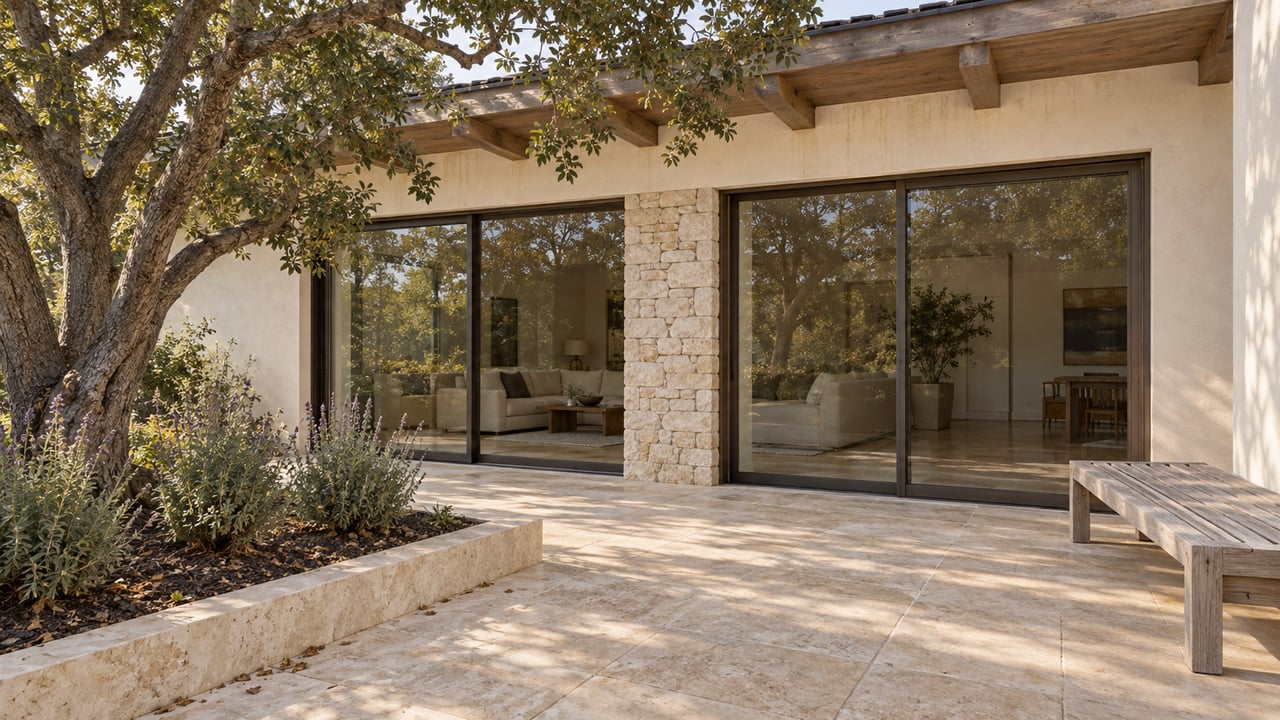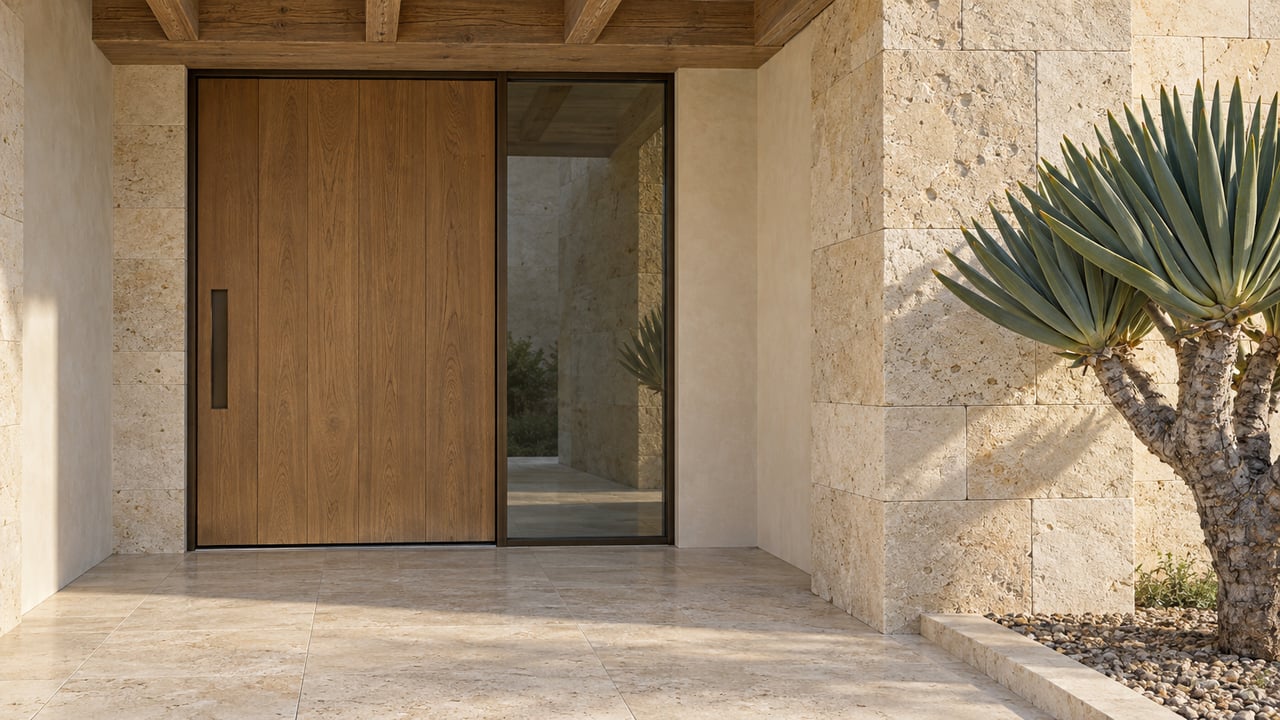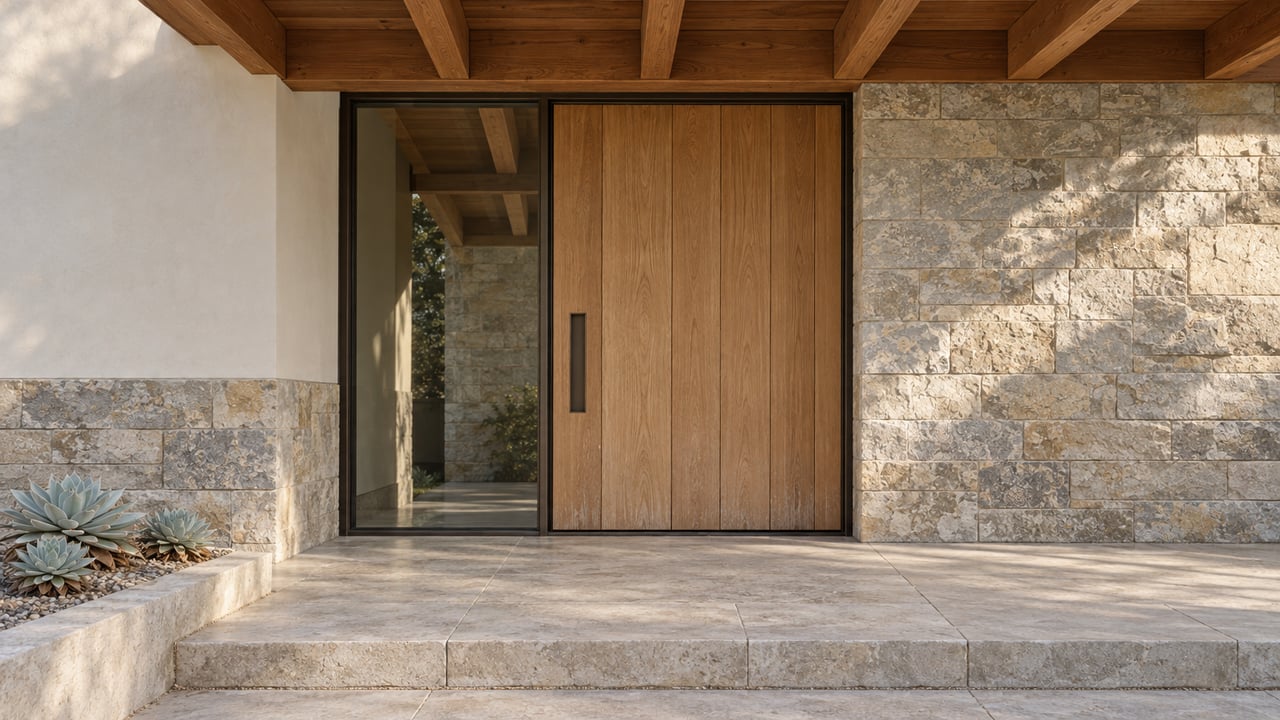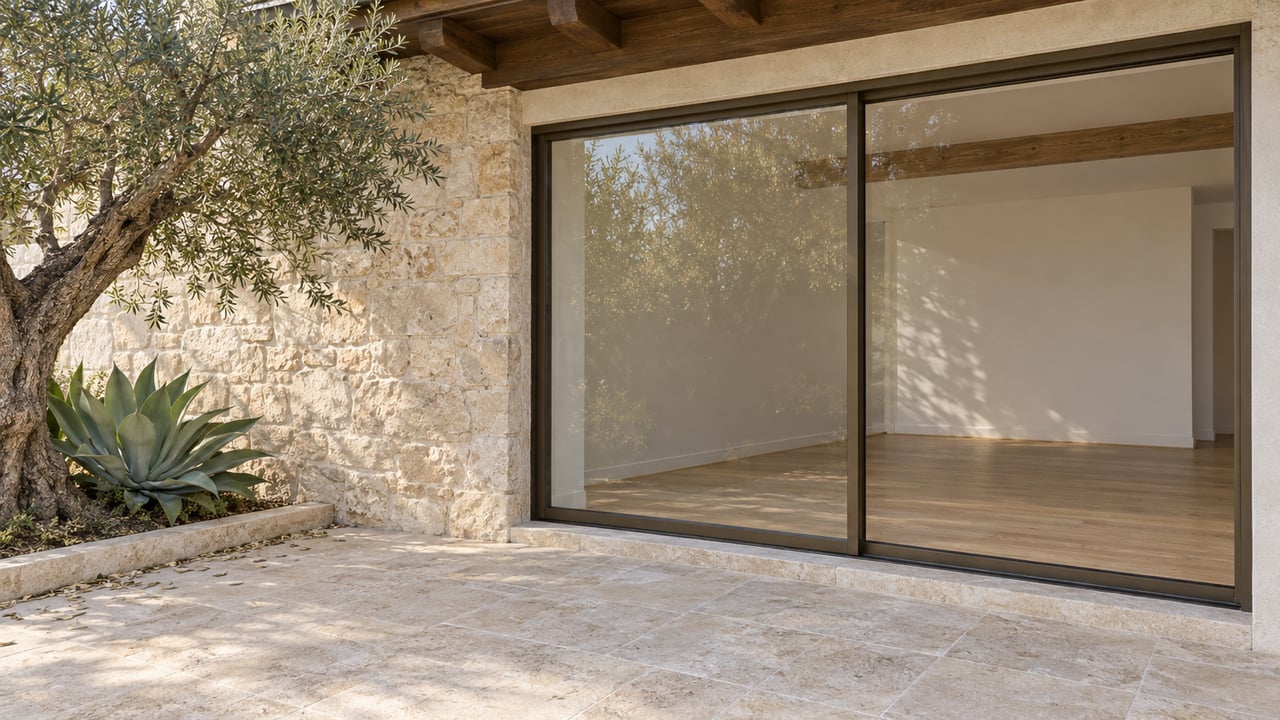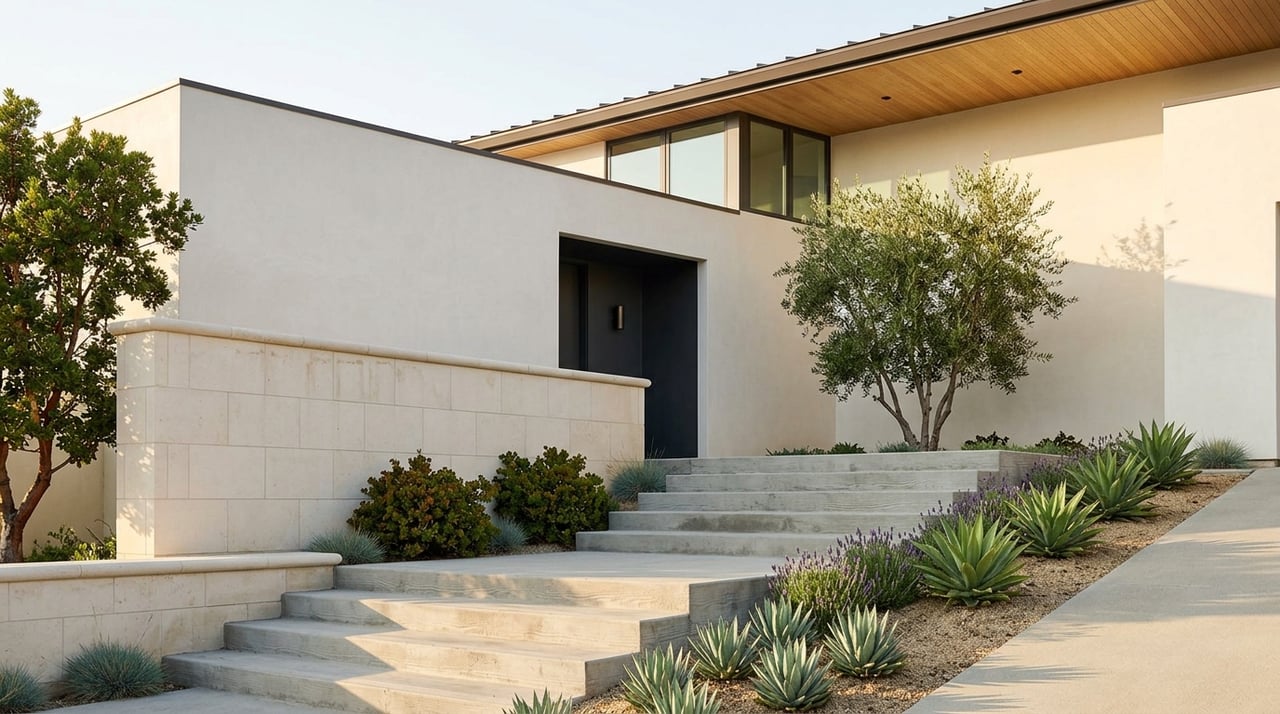
If you are shopping in Palos Verdes Estates, the house itself is only part of the story. Here, architectural style, lot shape, slope, and siting all work together to shape how a property looks, feels, and lives day to day. Understanding those layers can help you make a smarter decision, whether you are drawn to a classic Spanish Revival home or a more horizontal ranch or contemporary residence. Let’s dive in.
Why style matters in Palos Verdes Estates
Palos Verdes Estates was planned from the beginning as a coastal residential community with an unusually strong focus on design, landscape, and open space. City materials note that 28% of the land was dedicated to permanent open space, and the Palos Verdes Homes Association continues to play a role in architectural and landscape oversight.
That planning legacy still shows up in the way homes relate to their streets, views, and lots. In Palos Verdes Estates, buyers are not just choosing square footage or finish level. You are also choosing how a home fits into a carefully shaped community setting.
Spanish Revival leads the local look
Spanish Revival is the most prevalent architectural style in Palos Verdes Estates. City design materials associate it with features like low-to-moderately pitched red clay tile roofs, stucco walls, arched entryways, wrought iron details, and accent colors around doors and windows.
You can see that influence in some of the city’s best-known places. Malaga Cove Plaza is described by the city as a centerpiece of Mediterranean Revival architecture, while landmarks such as La Venta Inn and the Palos Verdes Beach and Athletic Club reflect the area’s early coastal design vocabulary.
For buyers, this means many homes in Palos Verdes Estates carry a sense of visual continuity. Even when homes vary in age or updates, the city’s core architectural language often ties them back to the broader character of the community.
Architectural variety still exists
Even with that strong Spanish and Mediterranean foundation, Palos Verdes Estates is not architecturally uniform. City landmarks include buildings described as medieval-style and others that blend Spanish-California and gothic references, which shows that the built environment includes meaningful variation.
The Palos Verdes Homes Association type system adds even more range. Type I reflects California architecture inspired by Mediterranean and Latin forms, while Type V includes low, rambling California Rancho homes, and Type VI is generally more horizontal with low or flat roofs.
That matters because two homes in the same city can offer very different visual experiences. One may feel formal and villa-like, while another may feel more relaxed, spread out, and connected to the landscape.
How lot type shapes the home
In many markets, buyers think of lot type in simple terms like corner lot, cul-de-sac lot, or rectangular parcel. In Palos Verdes Estates, lot type is more closely tied to topography and how the house sits on the land.
The city’s Housing Element describes Palos Verdes Estates as having rugged terrain with more than 1,134 feet of elevation change across 3,038 acres. It also notes that much of the remaining vacant land is steeply sloped, which can require grading, caissons, pilings, or other engineering solutions.
That means a lot is not just a backdrop. It directly affects building form, access, outdoor space, view orientation, and the overall feel of daily living.
What buyers should know about lot sizes
Lot sizes in Palos Verdes Estates vary more than many buyers expect. According to the city’s Housing Element, single-family lots average about 6,000 to 10,000 square feet, while vacant single-family lots range from 0.13 acres to over an acre.
That range creates a broad spectrum of ownership experiences. A smaller lot may offer a more contained footprint and easier outdoor maintenance, while a larger parcel may allow a broader building envelope, more separation, or more expansive exterior areas, subject to local rules.
Some vacant lots also lack direct street access and require easements. For buyers considering land or major renovation potential, that is an important detail to evaluate early.
Flat, gentle, and steep lots live differently
A flatter or gently sloped lot often feels more straightforward from a planning and livability perspective. Outdoor areas may connect more directly to the main living level, and circulation from house to yard or terrace can feel more seamless.
Steeper hillside and downslope lots can create a very different experience. These lots may open up broader outlooks and stronger view opportunities, but they can also lead to more complex massing, vertical layouts, and different access patterns.
The city notes that some of the steepest lots also provide spectacular views. For many buyers, that tradeoff is central to the decision: easier day-to-day functionality versus a more dramatic site and outlook.
Downslope lots can change building form
The city’s single-family residential guidelines make clear that slope can affect what gets built. Certain downslope lots with a single street frontage may qualify for an additional story if the slope is steep enough.
This is one reason similar square footage can feel very different from one property to another. A home on a flatter parcel may read as more compact and grounded, while a home on a steeper lot may step down the site and create a more layered floor plan.
For buyers, that can affect everything from entry sequence to bedroom placement to how often you use outdoor spaces. A dramatic lot can create a dramatic home, but it also changes the way the home functions.
Coverage rules affect massing
Lot size alone does not tell you how much can be built. The city’s lot worksheet and residential guidelines limit building coverage to 30% of lot size and total lot coverage to 65% of lot size.
Those standards shape the visual balance between house and land. They also help explain why siting, terraces, yard areas, and open space relationships are such a visible part of the Palos Verdes Estates streetscape.
If you are comparing homes or evaluating a property for future changes, these rules are worth keeping in mind. They influence what is already there and what may be possible later.
Views, privacy, and compatibility
In Palos Verdes Estates, a home’s relationship to its lot is closely tied to neighborhood compatibility. The city’s process is designed to preserve natural scenic character by regulating siting and massing and by encouraging homes to fit their surroundings in volume, height, scale, and materials.
The city also states that compatible homes should avoid blocking light and views and should minimize privacy impacts. For buyers, this helps explain why orientation, setbacks, window placement, and outdoor living areas can feel so carefully considered in many parts of the city.
This also means that view value is not just about what you see from inside the home today. It is also tied to how the property fits into a broader planning framework that places real importance on scenic character.
Streets and topography affect daily life
Topography in Palos Verdes Estates is not only a design issue. It can also affect everyday movement through the neighborhood.
The city notes that streets can be steep and winding and may be difficult to widen or use for high-volume access. Depending on the property, that may influence how the home feels on arrival, the layout of the driveway or garage approach, and the overall rhythm of coming and going.
For some buyers, that setting is part of the appeal. For others, it is a practical consideration to weigh alongside architecture, views, and lot size.
A simple framework for evaluating homes
When you tour homes in Palos Verdes Estates, it helps to evaluate each property through three connected questions:
- What architectural style is the home?
- What kind of lot does it sit on?
- How does the site affect views, privacy, access, and everyday livability?
That framework brings the market into sharper focus. Two homes may offer similar bedroom counts or price points, but a Spanish Revival on a gentle lot and a horizontal residence on a steep downslope parcel can deliver very different ownership experiences.
What this means for luxury buyers
In a market like Palos Verdes Estates, nuance matters. A well-located home with a compelling architectural identity and a lot that supports views, privacy, and practical living often stands apart for reasons that go beyond finishes alone.
That is why local guidance is so valuable when you are comparing properties here. Reading the lot, understanding the style, and interpreting how the home sits within the city’s design framework can reveal strengths and tradeoffs that are easy to miss at first glance.
If you are considering a purchase or planning a future move in Palos Verdes Estates, working with a local advisor who understands architecture, siting, and property positioning can make the search more strategic. For tailored guidance on homes, lots, and market opportunities in Palos Verdes Estates, connect with Keith Kelley.
FAQs
What is the most common architectural style in Palos Verdes Estates?
- Spanish Revival is described by the city as the most prevalent style, often identified by stucco walls, red clay tile roofs, arches, and wrought iron details.
What lot sizes are common in Palos Verdes Estates?
- The city’s Housing Element says single-family lots average about 6,000 to 10,000 square feet, with vacant single-family lots ranging from 0.13 acres to over an acre.
How does a hillside lot affect a home in Palos Verdes Estates?
- Hillside and downslope lots can affect massing, floor plan layout, access, outdoor use, and view potential, and some may require added engineering or site studies.
Are flat lots easier to live with in Palos Verdes Estates?
- Flatter or gentler lots often feel more straightforward for circulation and outdoor access, while steeper lots may offer stronger views but can create more complex layouts and site conditions.
Why does siting matter so much in Palos Verdes Estates?
- The city emphasizes neighborhood compatibility, scenic character, privacy, light, and views, so the way a home is placed on its lot is an important part of both design and livability.
Can lot shape and slope affect future building plans in Palos Verdes Estates?
- Yes. City rules on building coverage, total lot coverage, slope conditions, and project review can all influence what may be feasible on a property.