Ever wondered how an entire city can be private and gated? If you are considering Rolling Hills, you are buying into a community with rules, approvals, and logistics that work differently from nearby neighborhoods. It is quiet, secure, and built for privacy, but ownership comes with specific processes you will want to understand. In this guide, you will learn how governance, gates, utilities, easements, and zoning work, plus what to request before you write an offer. Let’s dive in.
Rolling Hills at a glance
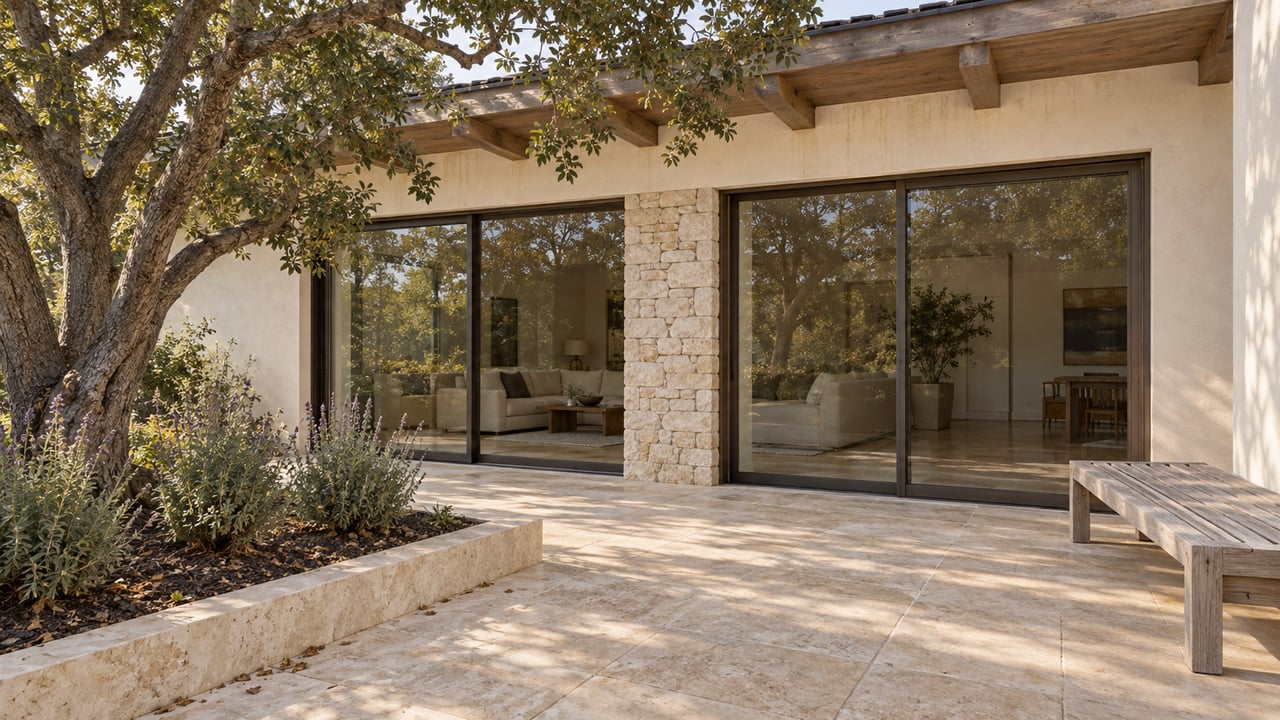
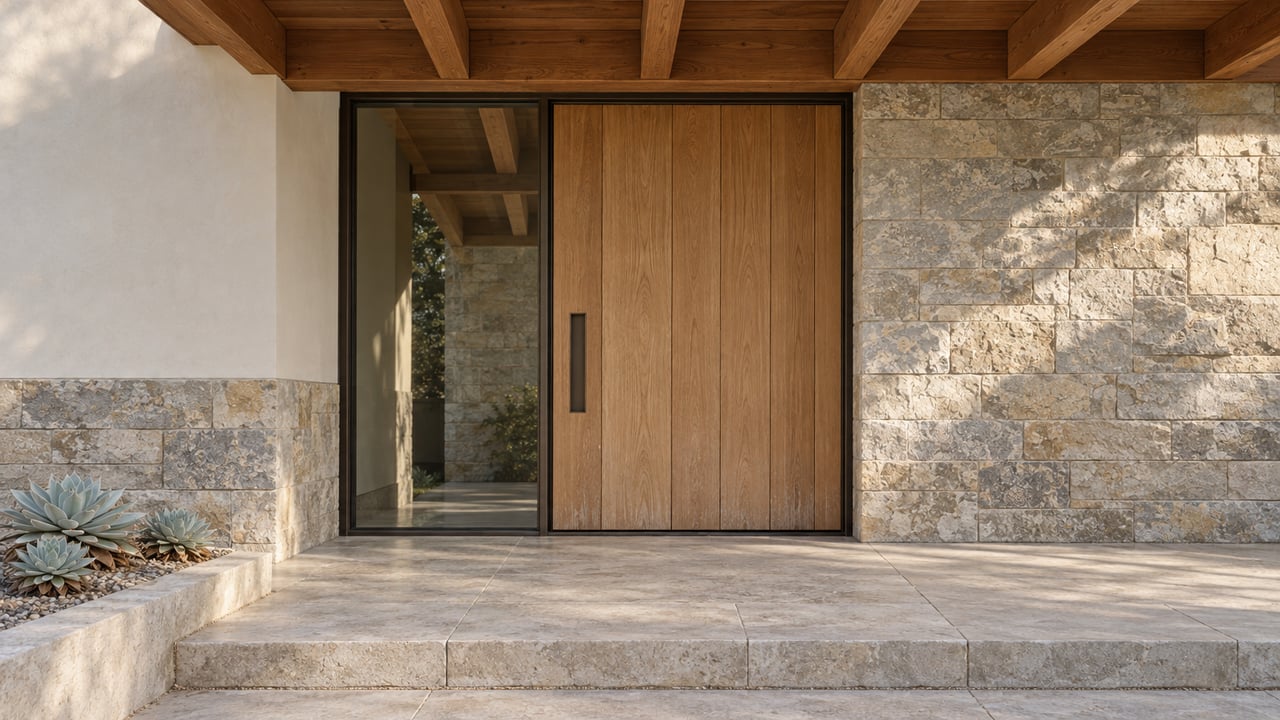
Rolling Hills is an all-residential, private gated city where the community association and city boundaries match. The City preserves a rural, equestrian character with ranch-style homes, large lots, bridle paths, and no traffic lights across roughly 3 square miles. City documents describe the area as nearly all single-family residential to keep density low and open space high. Homes often include equestrian features, tennis courts, or riding rings, with a network of private roads and miles of bridle trails.
Who does what: RHCA vs. City
Two entities manage life in Rolling Hills. The Rolling Hills Community Association (RHCA) enforces deed restrictions, runs the gates, and maintains roads and bridle trails located on association easements. The City of Rolling Hills handles zoning, land use, building and grading permits, and municipal code enforcement. Because the RHCA’s service area aligns with the City boundary, most projects require attention from both groups. You will often coordinate with the RHCA on easements and design, and with the City on permits and inspections. RHCA’s general information and the City’s materials explain this alignment and the association’s role in gate operations and easements.
For a clear split of authority, review RHCA’s comparison of RHCA vs. City responsibilities. In practice, RHCA keeps the property files and reviews architectural submittals, while the City issues building and grading permits and enforces municipal code. Always check both RHCA and City permit histories when you evaluate a property.
When you need two approvals
Many changes need both reviews. Common examples include exterior remodels, additions, site grading, new fences or walls within easement areas, driveway work, stables, rings, gates, and major landscape changes. RHCA will look at deed restrictions, easements, and design. The City will validate zoning, setbacks, coverage, grading, and building code.
Gates, access, and showings
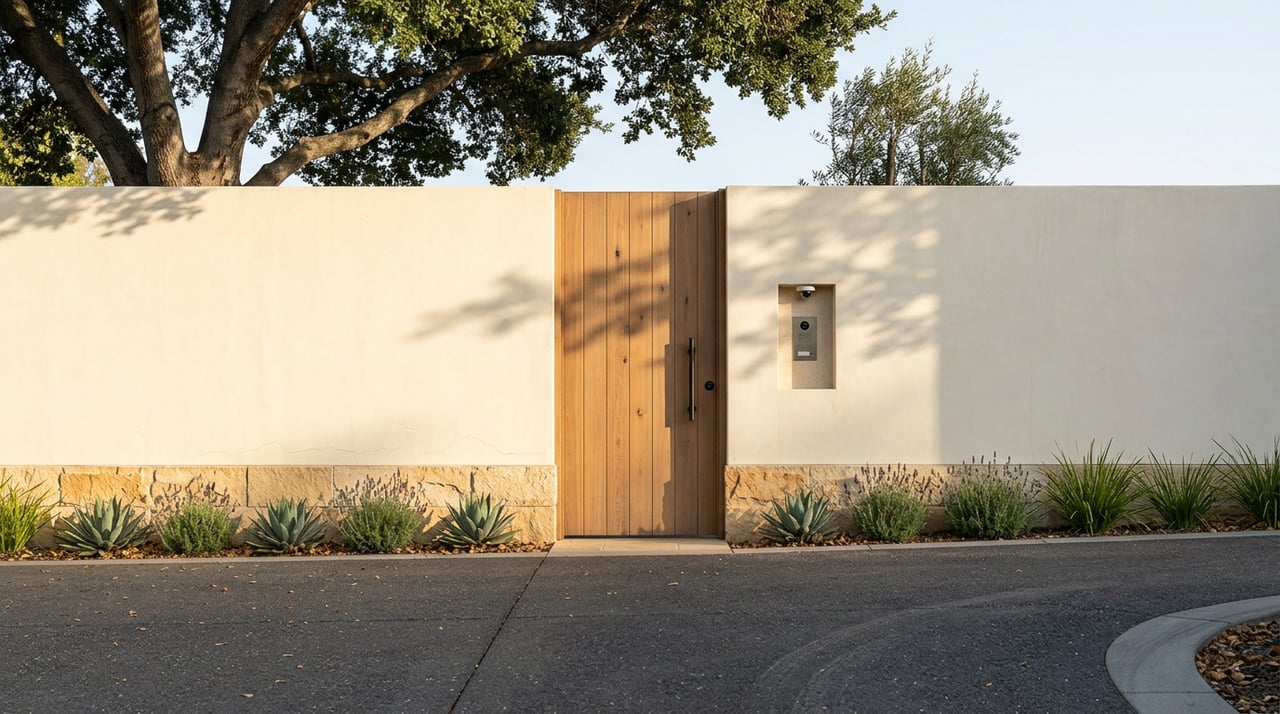
There are three staffed gates, typically operating 24/7, and guest entry is tightly controlled. For showings, real estate agents must be on the property’s guest list to enter with clients. Public open houses and yard signage are prohibited, and most listing advertisements avoid publishing the street address. Leasing is allowed at the whole-property level, with tenant registration and vehicle procedures managed by RHCA. These rules shape how you schedule tours, plan marketing, and handle move-in logistics.
Safety and emergency services
Law enforcement service is provided by the Los Angeles County Sheriff’s Department through the Lomita Station. Fire protection is provided by the Los Angeles County Fire Department, with Station 56 and other Peninsula resources available. Private roads, narrow lanes, and steep canyons influence response planning and evacuation routes, so you should discuss driveway access, turning radii, and defensible-space expectations with fire officials for the specific parcel.
Water, septic, and trash
- Water: Retail water in Rolling Hills and the Palos Verdes area is provided by California Water Service’s Palos Verdes District. Confirm the service lateral, meter size, and any special conditions for your parcel using district resources and local planning references such as the Cal Water Palos Verdes District documentation.
- Sewage: The City has historically lacked a continuous sewer system, so most lots rely on private septic systems. The City has studied sewer improvement options, including concepts and possible assessment mechanisms. Before you close, verify whether a parcel is on septic and whether any sewer project or assessment could require a future connection. City agenda materials outline the study work and concepts for potential conversion; see the City’s sewer study agenda packet for context.
- Trash: RHCA materials indicate rubbish service appears as a line item on the Los Angeles County property tax bill for residents. Always confirm the current billing method with the City or County since processes can change.
Easements, trails, and private roads
All interior roads sit on association easements rather than public streets. RHCA controls the use of those easements and maintains the roadways and bridle trails. That has two key implications. First, improvements in easement areas, such as fences, planting, walls, or paving, are subject to RHCA approvals. Second, even where RHCA maintains a road, some drainage, driveway, or culvert maintenance can be a homeowner responsibility. Confirm exact obligations in RHCA rules for each lot and review recorded easements during escrow.
Bridle trails are private association easements, not public rights of way. RHCA rules require riders to use established trails, present badges where required, and keep bikes and motor vehicles off the bridle network. For operational rules and badge details, review RHCA’s bridle trail information. Sources differ slightly on total trail mileage, but both City and RHCA materials describe a robust system intertwined with the private-road network.
A critical calculation in Rolling Hills is net lot area. The City excludes recorded roadway easements plus a 10-foot perimeter from the net lot area used for coverage and disturbance calculations. This affects where and how much you can build or grade. You can see the City’s net-lot definition and forms in the variance and administrative materials.
Zoning, lot size, and build limits
Zoning is designed to preserve low density and open land. The City maps Residential Agricultural Suburban zones with minimum lot sizes: RAS-1 requires at least 1 acre and RAS-2 requires at least 2 acres. Small overlay areas and Public Facilities mapping also exist. A state housing element document summarizes these minimums and the City’s low-density approach; see the zoning overview in state housing element materials for context.
Setbacks are substantial, with side and rear yard minimums that vary by zone and easement conditions. The City’s forms and Title 17 code govern these numbers, including reduced setbacks where association roadway easements are improved as roadways. Always confirm the mapped zone, overlays, and the applicable code sections for the parcel using City forms like the variance application packet.
Coverage and disturbance caps are the big feasibility drivers. As a practical rule of thumb, main buildings and accessory structures typically may not exceed about 20 percent of the net lot area. When you add driveways and paved flatwork like courts, the total impervious coverage is commonly capped near 35 percent of net lot area. Separately, the City limits total disturbed area, such as grading, to 40 percent of net lot area, with slope-based exceptions that can increase that limit to 50 or 60 percent. Driveways and uncovered motor courts also have their own percent-of-yard caps. These figures come from City administrative instructions used for over-the-counter approvals and are central to whether a plan needs discretionary review or a variance. For exact definitions and thresholds, refer to the City’s administrative approval instructions.
Buyer checklist: documents to pull
Ask your agent, escrow, and local offices to assemble these items early in due diligence:
- RHCA property file and exhibits. Request the easement map, any RHCA fence or gate permits, and Architectural Committee approvals. Confirm annual assessment amounts and any special assessments with RHCA.
- CC&Rs, deed restrictions, and recorded easements. Verify perimeter easement width, bridle or roadway easements across the lot, and any recorded encroachments.
- Full building-permit history and code compliance. Gather City and County records for all prior work, plus any separate RHCA building permits.
- Septic and geotechnical records. If on septic, pull health-department files, pump-and-inspect history, and reserve-capacity details. Ask the City whether any sewer-area plan could trigger future assessments or required hookups for this parcel.
- Easement setbacks and prior improvements. Confirm net lot area calculations, where the interior easement edge is measured, and whether any hardscape or fencing encroaches into easements.
- Fire access and defensible space. Discuss driveway width, turning radii, potential hydrant or pressure constraints, and fuel-reduction needs for adjacent slopes.
- Water service details. Verify service lateral and meter size with Cal Water Palos Verdes District and review any relevant capital plans.
- Showing and advertising rules. Align your touring and marketing plan with RHCA guest-list procedures and signage restrictions.
Red flags to escalate
- Parcels in mapped geologic hazard areas or near historic slide zones. Order a geotechnical review and review City hazard mapping and reports.
- Unpermitted or nonconforming improvements within association easements. Confirm with title and RHCA whether any encroachments are recorded or require removal.
- Septic systems with limited documentation or signs of failure. If the City pursues sewer conversion for an area, you may face future connection costs or assessments.
Local contacts and where to start
- RHCA. Contact the RHCA office for property files, easement exhibits, building regulations, fence and gate permits, and equestrian badge rules. See RHCA’s general information for procedures.
- City of Rolling Hills. Use City planning and building resources for General Plan, hazard and safety documents, zoning and Title 17, administrative approval forms, and permit histories. The City’s Hazard Mitigation Plan provides a useful overview of terrain and access factors.
- Title and escrow. Order a complete preliminary title report with all recorded easements, CC&Rs, and any maintenance or assessment liens. Ask about any special tax or assessment districts.
- County and utilities. Coordinate with Los Angeles County Environmental Health for septic records, Los Angeles County Fire for access guidance, and Cal Water Palos Verdes District for meter and service conditions.
Ready to explore Rolling Hills?
Buying in Rolling Hills rewards you with privacy, land, and a rare equestrian lifestyle, but success comes from careful due diligence and the right approvals in the right order. If you want a seasoned local advisor to coordinate RHCA and City steps, stress test plans against coverage limits, and manage private showings, connect with Keith Kelley for a confidential strategy session.
FAQs
How do gated access and showings work in Rolling Hills?
- The three gates are staffed, and agents must be on a property’s guest list for entry. Public open houses and yard signage are not allowed, so showings are scheduled and verified in advance.
Who approves remodels or additions in Rolling Hills?
- Most exterior projects need RHCA architectural review for easements and design, plus City permits for zoning, setbacks, grading, and building code. Plan for both tracks from the start.
Are homes on sewer or septic in Rolling Hills?
- Most parcels historically use private septic systems. The City has studied sewer options, so ask whether your lot is in any planned area that could require future connection or assessments.
What are the typical build and coverage limits?
- As a rule of thumb, structures often cap near 20 percent of net lot area, total impervious coverage near 35 percent, and disturbed area near 40 percent, with slope-based exceptions.
Who provides police and fire service in Rolling Hills?
- Police service is through the Los Angeles County Sheriff’s Department, Lomita Station. Fire protection is provided by the Los Angeles County Fire Department with Peninsula resources.
Who maintains the roads and trails in Rolling Hills?
- RHCA maintains private roads and bridle trails that lie on association easements. Improvements within easements need RHCA approvals, and some driveway or drainage items fall to the homeowner.