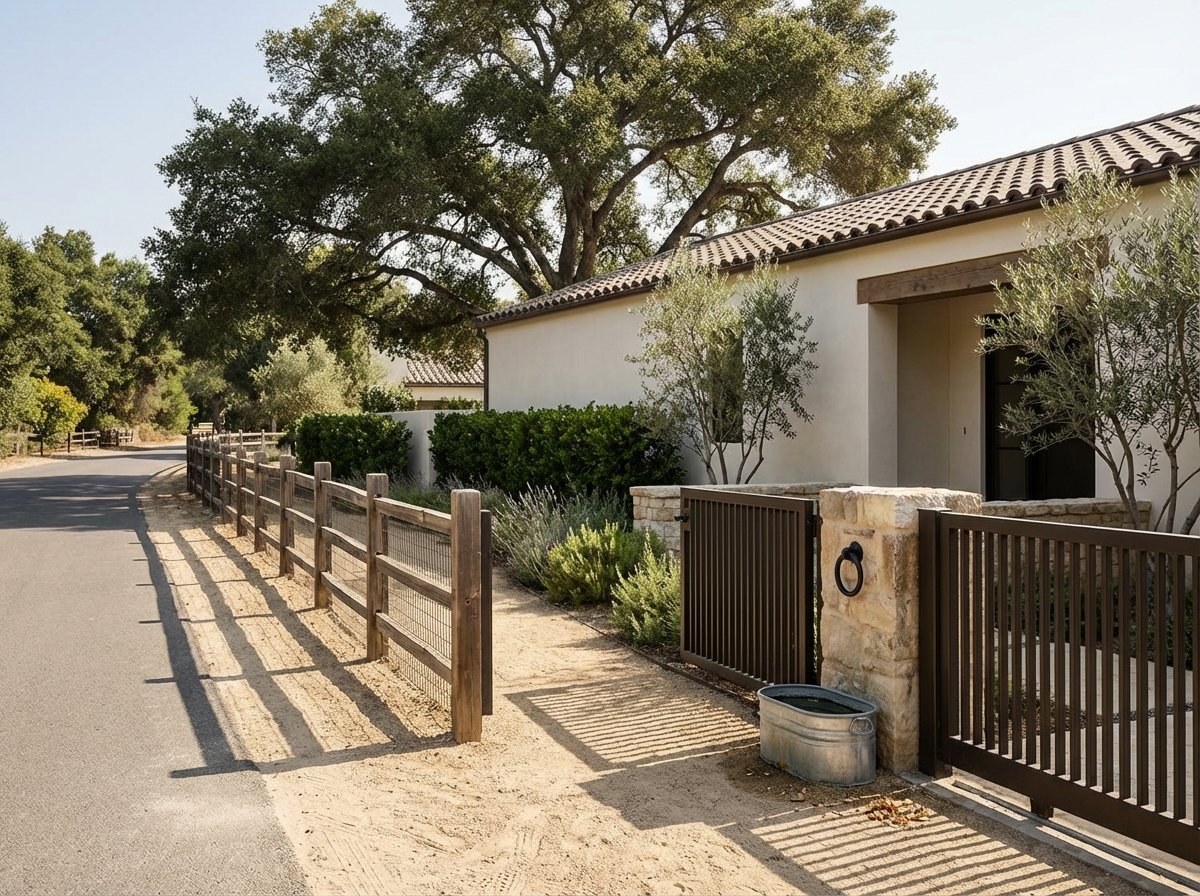
If you dream of riding out your front gate onto quiet bridle paths with ocean air in your lungs, Rolling Hills Estates delivers that rare, everyday equestrian lifestyle. You want room for horses without giving up convenience, community, or coastal California beauty. In this guide, you’ll learn how the local trail network works, where to board and ride, what to know about zoning and HOAs, and how to buy smart if you plan to keep horses at home. Let’s dive in.
Why Rolling Hills Estates is horse country
Rolling Hills Estates and the broader Palos Verdes Peninsula were designed with horses in mind. The City’s long-term vision calls out preserving the area’s pastoral character and equestrian lifestyle as a core value, as documented in the General Plan 2040. You can see it in the white-rail fencing, the quiet lanes, and the bridle paths that link neighborhoods to parks and preserves. For riders, that means this is a place where horses fit into daily life, not just weekend getaways.
According to City materials, the local bridle-trail system includes roughly 20 to 30 miles of routes, depending on how you count community and preserve segments. Mileage varies by source, so it is best to use a conservative range and confirm your preferred loops locally. What matters most is that you have real connectivity across neighborhoods, arenas, and open space.
- Learn more about the City’s equestrian vision in the Rolling Hills Estates General Plan.
- See current trail and arena information on the City’s equestrian and bike trails page.
Ride the Peninsula: trails and etiquette
The Peninsula’s riding routes are a blend of City-maintained bridle paths, community or HOA bridleways, and designated trails within preserves. Horses are permitted only on specific routes in protected areas, and you will see posted guidance on multi-use rules, seasonal closures after rain, and speed or yielding etiquette. These rules help keep shared trails safe and open.
Some private communities next door, such as the gated City of Rolling Hills, manage access with trail badges or gate check-ins for nonresidents. Policies vary, so check rules ahead of time if your ride crosses into a private network. You can review current badge and access information via the Rolling Hills Community Association.
Where to ride and board
Municipal arenas and a true community barn
Rolling Hills Estates operates public riding rings and maintains park arenas that welcome lunging and limited turnouts when conditions allow. User responsibilities typically include watering and manure removal, and the City communicates any trial periods or rule updates at the parks. For current guidelines, review the Howlett and Chandler park arena details.
If you want a central hub for lessons, boarding, and community programming, the Peter Weber Equestrian Center is the Peninsula’s municipal showpiece. Often called the community barn, it offers instruction, camps, and a friendly home base for riders at all levels. Explore programs and boarding at the Peter Weber Equestrian Center.
Private clubs and riding schools
Beyond municipal options, you will find established private facilities across Rolling Hills Estates and nearby neighborhoods. Names locals mention include Peninsula Riding Club in Rolling Hills Estates and Portuguese Bend Riding Club in Rancho Palos Verdes, along with several riding academies and training barns. Availability changes, so check current openings and lesson programs.
For a quick pulse on nearby barns, scan this regional directory of horse boarding options in Rolling Hills Estates, then confirm details directly with each stable.
Community and trail support
The Palos Verdes Peninsula Horsemens Association is an active volunteer group that publishes a peninsula trail guide, hosts events, and advocates for rider access. If you are new to the area, their resources and meetups are a smart way to learn the routes and riding culture. Get involved through the PVPHA.
Can you keep horses at home?
Yes, many properties here are horse friendly, but the details matter. Zoning, homeowners association covenants, and permits determine what you can build and how many animals you can keep on a given parcel. Always confirm your specific lot’s rules before you fall in love with a property.
Start with the City’s Planning Division for zoning designations and parcel-level questions. Some neighborhoods have recorded CC&Rs that are stricter than City code, and a few prohibit livestock entirely. If you plan to add or upgrade equestrian improvements, you will also want clarity on past permits and any approvals required for barns, arenas, fencing, electrical, or plumbing.
- Confirm zoning and overlays with the Rolling Hills Estates Planning Division.
- Review sample CC&Rs and HOA documents through local associations such as the RHEI Association.
Environmental stewardship and safety
Rolling Hills Estates promotes thoughtful horsekeeping to protect water quality and hillside stability. The City’s best practices cover manure composting and hauling, runoff controls, wash-rack siting, vegetated buffers, and integrated pest management. If you keep horses at home, these are both good-neighbor guidelines and practical maintenance tips.
Wildfire readiness is also essential on the Peninsula. The City provides equine emergency-preparedness guidance, including evacuation planning, microchipping, contact lists, and trailer readiness. Build your plan before fire season so you are not making decisions under pressure.
- Review the City’s Horsekeeping Best Management Practices.
- Create your plan with the Equine Emergency Preparedness resources.
Due diligence checklist for buyers
Use this quick reference as you evaluate horse-friendly properties:
- Confirm jurisdiction, zoning, and any overlays with the City Planning Division, and ask parcel-specific questions early in the process.
- Obtain recorded CC&Rs and any architectural review requirements if the property is in an HOA. Verify rules for animals, barns, arenas, and fencing.
- Request permits and as-built plans for all equestrian structures and utilities. Unpermitted work can complicate escrow and insurance.
- Evaluate utilities, including water supply and pressure, and verify septic capacity where applicable.
- Inspect arena footing and turnout condition, along with fencing integrity and safe access for vet and farrier trucks.
- Confirm trailer access and turning radius, especially on narrow or private roads.
- Review manure management and any hauling service contracts, and verify drainage and erosion controls on sloped lots.
- Document a fire-safety and evacuation plan, including trailer readiness and a neighbor network that can assist.
What equestrian buyers look for
The most prized properties combine a convenient location with practical equestrian infrastructure. Desirable features include a permitted barn with correctly sized, well-ventilated stalls, separate tack and feed storage, and safe perimeter fencing such as post-and-rail or pipe. You will also want reliable water, covered hay storage, and clear access for service vehicles.
Usable flat area and a functional arena are high on most buyers’ lists. Look for stable footing with good drainage and enough space for a small round pen or turnout. Trailer access is another key filter. If you cannot back in, turn around, and exit safely, day-to-day horsekeeping becomes difficult.
Budget and daily realities
Owning a horse property is a lifestyle choice with ongoing costs. Common line items include daily labor and feed, farrier services at regular intervals, vet supplies and routine care, and arena maintenance such as watering and grading. Plan for periodic fencing repairs and manure removal, along with increased water use for arena dust control or small pasture irrigation.
If you prefer the riding lifestyle without on-site horsekeeping, consider boarding. Local barns and the municipal center offer lessons, training, and care, letting you enjoy the trails without managing daily operations at home. Many residents choose a hybrid approach, boarding nearby while living within easy hacking or trailering distance of arenas and preserves.
Planning your move
If you are drawn to the Peninsula’s bridle paths and quiet backroads, you have options. You can live steps from municipal arenas, seek out a property with private facilities, or board nearby and keep your home low maintenance. The right fit depends on how you ride, how often you travel, and how hands-on you want to be with daily care.
When you are ready to explore, work with a local advisor who understands zoning, CC&Rs, and the equestrian nuances that influence value. For private guidance, market intel, and access to on- and off-market opportunities, connect with Keith Kelley. Schedule a Private Consultation.
FAQs
How many miles of bridle trails are in Rolling Hills Estates?
- City materials cite a connected system of roughly 20 to 30 miles, depending on how community and preserve segments are counted. Check the City’s trails page for current info.
Where can I board a horse if my property is not horse-ready?
- Start with the Peter Weber Equestrian Center for lessons and community boarding, then review this directory of Rolling Hills Estates boarding options and contact each stable directly.
Do I need permits to build or upgrade a barn in Rolling Hills Estates?
- Yes, permits and approvals may apply to barns, arenas, fencing, electrical, and plumbing; confirm requirements for your parcel with the City Planning Division before you begin.
How do public riding rings work in Rolling Hills Estates?
- The City maintains park arenas that allow lunging and limited turnouts under posted conditions; users are responsible for watering and manure cleanup. Review current rules for Howlett and Chandler parks.
Are there HOA or CC&R limits on horses in this area?
- Many tracts have CC&Rs that can be more restrictive than City code, and some prohibit livestock; obtain and review your HOA’s recorded CC&Rs, such as those posted by the RHEI Association.
What should I do to prepare horses for wildfire evacuations on the Peninsula?
- Follow the City’s Equine Emergency Preparedness guidance, including microchipping, trailer readiness, evacuation routes, and a neighbor network who can help if you are away.