If you are drawn to privacy, open land, and a quieter pace on the Palos Verdes Peninsula, Rolling Hills stands apart right away. This is not a typical neighborhood with public streets and easy drive-through traffic. It is a small, access-controlled city built around large estate parcels, equestrian living, and a distinctly private way of life. If you are considering a move here, understanding how the gates shape everyday living is essential. Let’s dive in.
What Makes Rolling Hills Different
Rolling Hills is a city, not just a gated subdivision. The Rolling Hills Community Association and the city share the same boundaries, and the entire community sits on private property with no public property inside the city.
That setup creates a very different experience from nearby Peninsula cities. Entrance is through three gates staffed 24 hours a day, 7 days a week, which makes privacy and controlled access part of daily life rather than an occasional feature.
The city is also remarkably small. According to the 2020 Census, Rolling Hills had a population of 1,739 and covers 2.99 square miles. The state housing element describes it as the fifth smallest city in Los Angeles County.
A Rural Estate Setting
Rolling Hills was planned in the 1930s around rural estate parcels and an equestrian identity, and it became a city in 1957. That original vision still matters today.
The community is described in city planning documents as a rural, equestrian residential community made up entirely of large lots. RHCA also notes that the original concept was a private gated community of little ranches and family homes, which helps explain why the area still feels so distinct from more conventional luxury markets.
Daily Life Behind the Gates
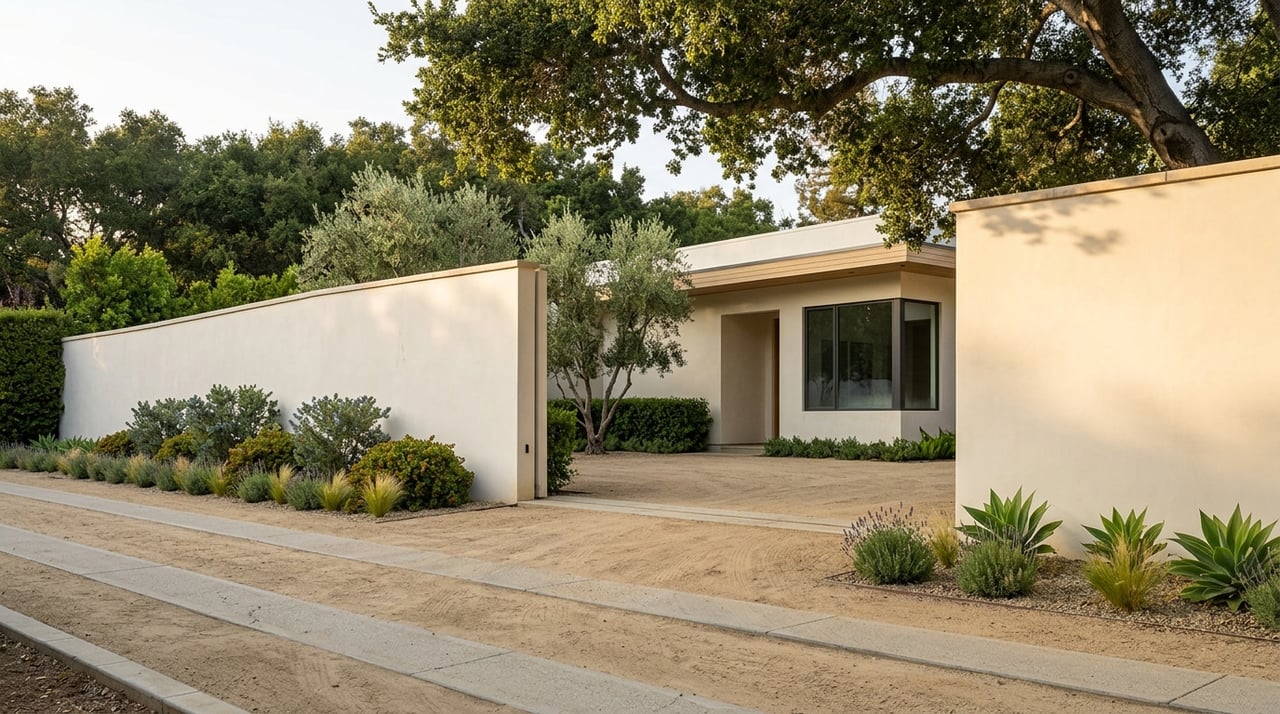
Life in Rolling Hills is intentionally quiet and low-traffic. The city’s planning materials note that there are no public roads or streets inside the community, and the internal road network was designed with winding roads, no curbs, no gutters, no sidewalks, and no streetlights.
That design shapes the feel of the city in a real way. You are not living in a pass-through environment. You are living in a place designed to feel more private, more rural, and more self-contained.
Transportation also works differently here. The housing element states there is no public transit, and many households own multiple vehicles, with 63% owning three or more. For many buyers, that means car access is a basic part of daily planning.
Gate Access and Visitor Rules
The gates are not just symbolic. They actively shape how residents, guests, and service providers move in and out of the city.
According to RHCA, guests, visitors, service providers, food deliveries, and ride-share or taxi services must be placed on a resident’s guest list and show identification. Workers have specific access hours, and Realtors have separate showing hours.
There are also limits that surprise first-time buyers. RHCA states that motorcycles and bicycles are not admitted, and it asks Realtors not to publish house numbers in public advertising. Appraisers also need owner permission to photograph homes for comparable sales, which reinforces how strongly privacy is protected here.
Equestrian Life Is Part of the Community
In many places, horse amenities are a niche luxury. In Rolling Hills, they are woven into everyday life.
RHCA says the city includes 26 miles of bridle trails, 2 riding rings, and 3 tennis courts. The city also maintains equine preparedness guidance and stable-permit materials, which shows that horses and trail access are part of normal local planning rather than a side feature.
If you are looking for an estate setting where equestrian use is part of the built environment, Rolling Hills offers that in a very direct way. Stable placement, corrals, and trail access are practical considerations here, not just lifestyle talking points.
What Homes in Rolling Hills Look Like
Rolling Hills is overwhelmingly made up of detached single-family homes. The city’s housing element says 99.9% of dwelling units are single-family detached, and the community consists of parcels of one acre or more.
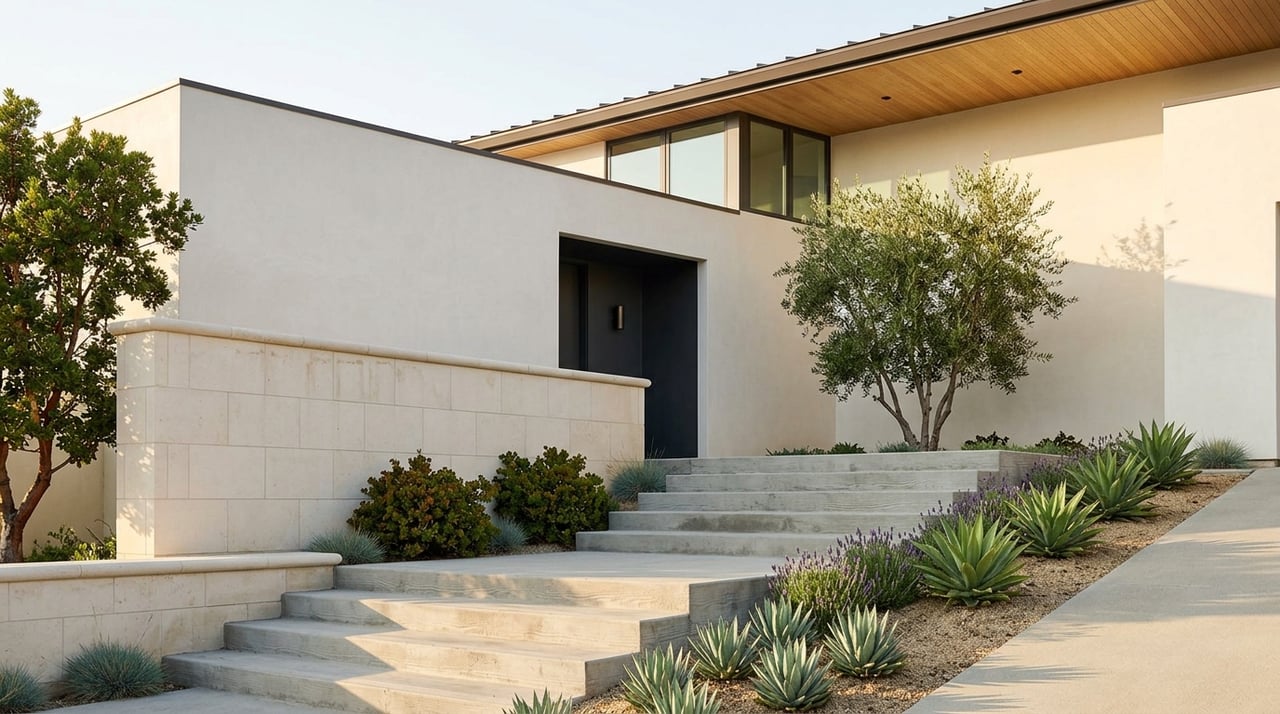
The original housing pattern also still influences the look of the area. Early homes were modest one-story ranch-style houses, and RHCA notes that original standards included one-story ranch homes painted white. That ranch aesthetic remains central to the community’s appearance.
Today, buyers often encounter estate-scale properties with features that go beyond what you would expect on a standard suburban lot. City planning materials regularly reference guesthouses, pools, stables, corrals, and outdoor structures in project review materials.
The Built Environment Has Real Constraints
Rolling Hills offers space and privacy, but it also comes with practical factors that deserve close attention. The housing element notes that the terrain includes steep slopes of 25 to 50 percent and ancient landslides.
Because of that, the city carefully regulates grading and earth movement. For buyers, this means the land itself can be just as important as the house when you evaluate long-term usability and future plans.
Utilities also work differently than in many nearby cities. The housing element states that there is no sanitary sewer system citywide except for the school site and 13 residences connected to adjacent systems, so most homes rely on septic tanks and seepage pits.
That makes due diligence especially important. Septic status, drainage, grading history, and site conditions should be reviewed with the same seriousness as floor plan, views, and finishes.
Fire Risk Matters in Rolling Hills
Fire exposure is another major part of owning property in this landscape. The city’s 2025 notice states that CAL FIRE updated the Fire Hazard Severity Zone maps for Rolling Hills.
Properties located in those zones must meet defensible-space, fire-resistive construction, and buyer-disclosure requirements. The city also directs residents to defensible-space and Ready! Set! Go! materials.
For buyers, this means fire-zone status is not a background detail. It is part of the ownership picture and should be part of your upfront review when comparing properties.
Two Layers of Governance
One of the most important things to understand about Rolling Hills is that it has two layers of governance. RHCA states that the city and the association have separate responsibilities, rules, revenue, and authority.
The city handles public safety, planning and zoning, building and grading permits, storm water management, view impairment, animal control, and solid waste collection. RHCA handles architectural review, easements, gate operations, common areas, and road and roadside maintenance.
This matters because property decisions may involve both bodies. New construction and many improvements require approval from the RHCA Architectural Committee and the city, which creates a dual-review process rather than a simple one-stop path.
What Buyers Should Review Carefully
In Rolling Hills, due diligence should go beyond the standard checklist. A property’s value and fit often depend on details that are highly specific to the city’s private-estate model.
Here are some of the key items to review:
- Gate access rules for residents, guests, workers, and showings
- RHCA architectural standards and easement requirements
- Septic system status and maintenance history
- Grading, drainage, and any history related to slope movement
- Fire Hazard Severity Zone status and required compliance measures
- Stable permits or equestrian-use considerations, if applicable
- Fencing, exterior finish, and roofing requirements
RHCA also notes that perimeter easements must stay clear, fencing typically follows a white three-rail style, new or replacement fencing requires a survey and permit, exterior finishes are expected to be white, and roofs must use fire-retardant materials. The association also levies an annual assessment of 20 cents per $100 of assessed valuation, while trash service is billed on the Los Angeles County tax bill.
How Rolling Hills Compares Nearby
Rolling Hills feels different from nearby Peninsula cities because it operates differently. Neighboring cities such as Rolling Hills Estates, Palos Verdes Estates, and Rancho Palos Verdes function more like standard municipalities with public streets and city-managed infrastructure.
Rolling Hills does not follow that model. It functions more like a private estate city with gate control and association easements, which helps explain why it feels quieter, more private, and more self-contained than surrounding Peninsula markets.
If you value discretion, land, and a more insulated ownership experience, that distinction may be exactly what draws you here. If you prefer a more conventional city structure, it is important to understand the difference before you buy.
Why This Market Requires Local Guidance
Rolling Hills can be exceptional for the right buyer, but it rewards careful planning. Access rules, property conditions, dual governance, fire-zone requirements, and site-specific factors all shape the buying process in ways that are more layered than a typical coastal or suburban purchase.
That is why local context matters so much. When you are evaluating a home here, you are not just buying square footage. You are buying into a very specific operating model, land profile, and lifestyle structure.
If you are considering buying or selling in Rolling Hills, working with an advisor who understands the Peninsula’s estate markets can help you move with more clarity and confidence. To start a private conversation, connect with Keith Kelley.
FAQs
Is Rolling Hills really a gated city?
- Yes. RHCA states that entrance is controlled through three gates staffed 24 hours a day, 7 days a week.
Are horses common in Rolling Hills?
- Yes. RHCA reports 26 miles of bridle trails, 2 riding rings, and city guidance related to stables and equine preparedness.
What kind of homes are typical in Rolling Hills?
- Rolling Hills is almost entirely detached single-family housing on parcels of one acre or more, with a long-standing ranch-style design influence.
Do Rolling Hills homes usually have sewer connections?
- No. The city’s housing element states that most homes rely on septic tanks and seepage pits because there is no citywide sanitary sewer system for most residences.
Do buyers in Rolling Hills need extra due diligence?
- Yes. Septic systems, fire-zone status, grading, slopes, easements, and RHCA rules are all important parts of the review process.
Who governs property rules in Rolling Hills?
- Rolling Hills has two layers of governance. The city oversees public safety and permitting, while RHCA oversees gate operations, easements, common areas, and architectural review.