Two ocean-view homes in Palos Verdes Estates can sit a few blocks apart and still sell for very different prices. If you are buying or selling, that gap can feel puzzling. You want to understand what really drives value so you can make smart moves and avoid surprises. In this guide, you will learn the concrete factors that shape pricing for ocean-view properties in PVE, how appraisers think about premiums, and the practical steps to protect your investment. Let’s dive in.
What buyers value in PVE views
View quality and corridors
Not all views are equal. A panoramic, uninterrupted horizon from your main living areas earns a larger premium than a partial view from a secondary room. Foreground clutter like rooftops, poles, or tall trees lowers value. Lots with recorded view corridors or easements can help preserve sightlines over time.
Lot orientation and elevation
South- or west-facing lots capture more light and sunsets, which buyers prize. Higher elevation or blufftop positions often provide wider vistas and a visible horizon, which tends to raise pricing. Deeper lots can allow stepped placement that protects views. Small changes in micro-topography can create pockets where one home’s outlook is far superior to a neighbor’s.
Architecture and outdoor rooms
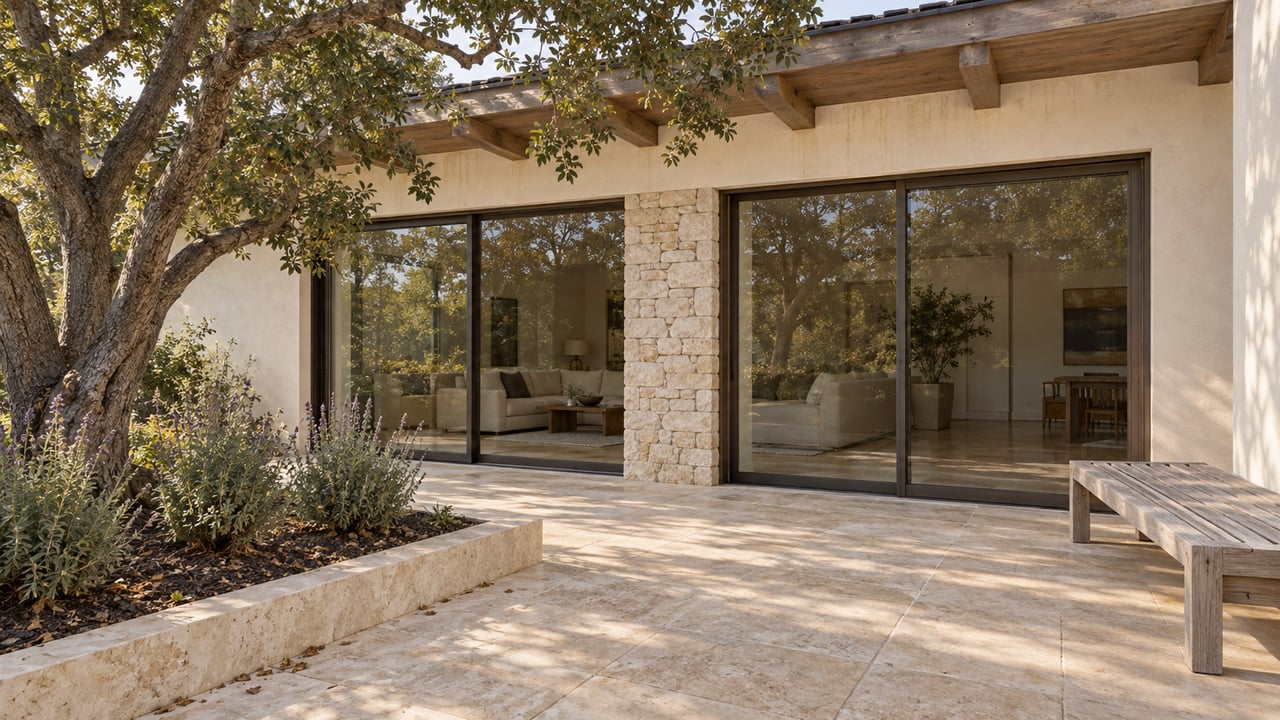
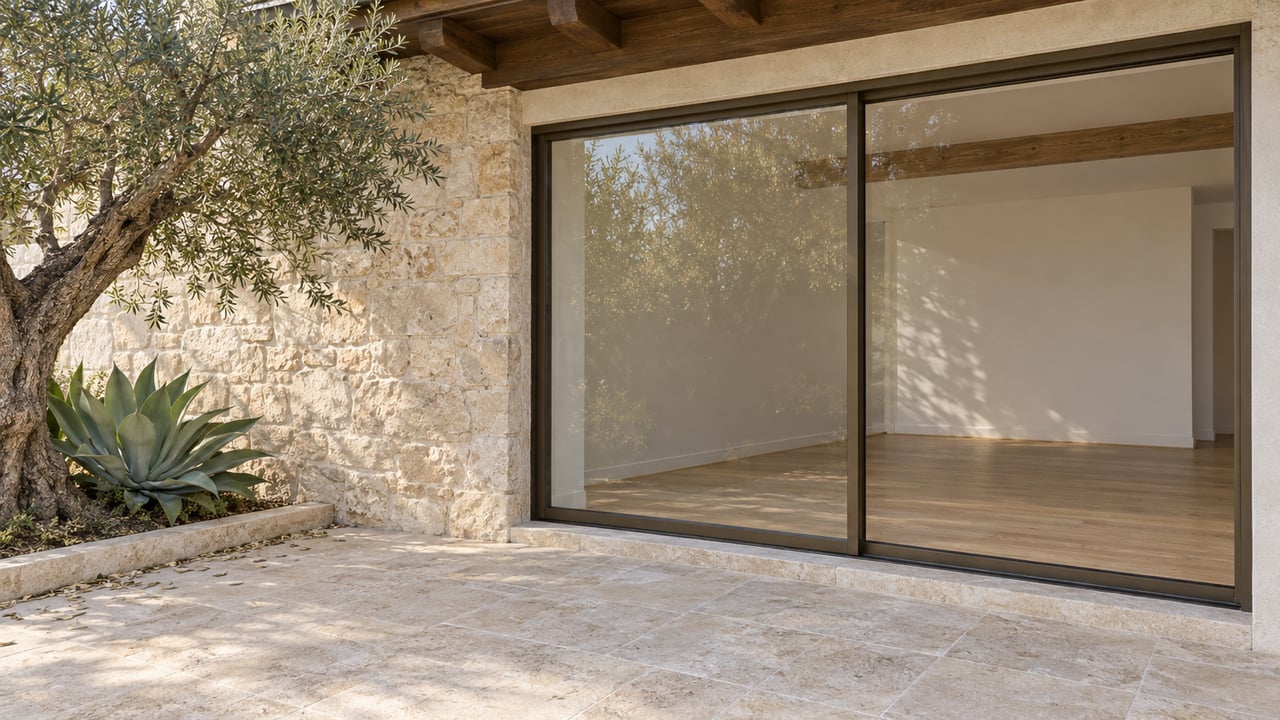
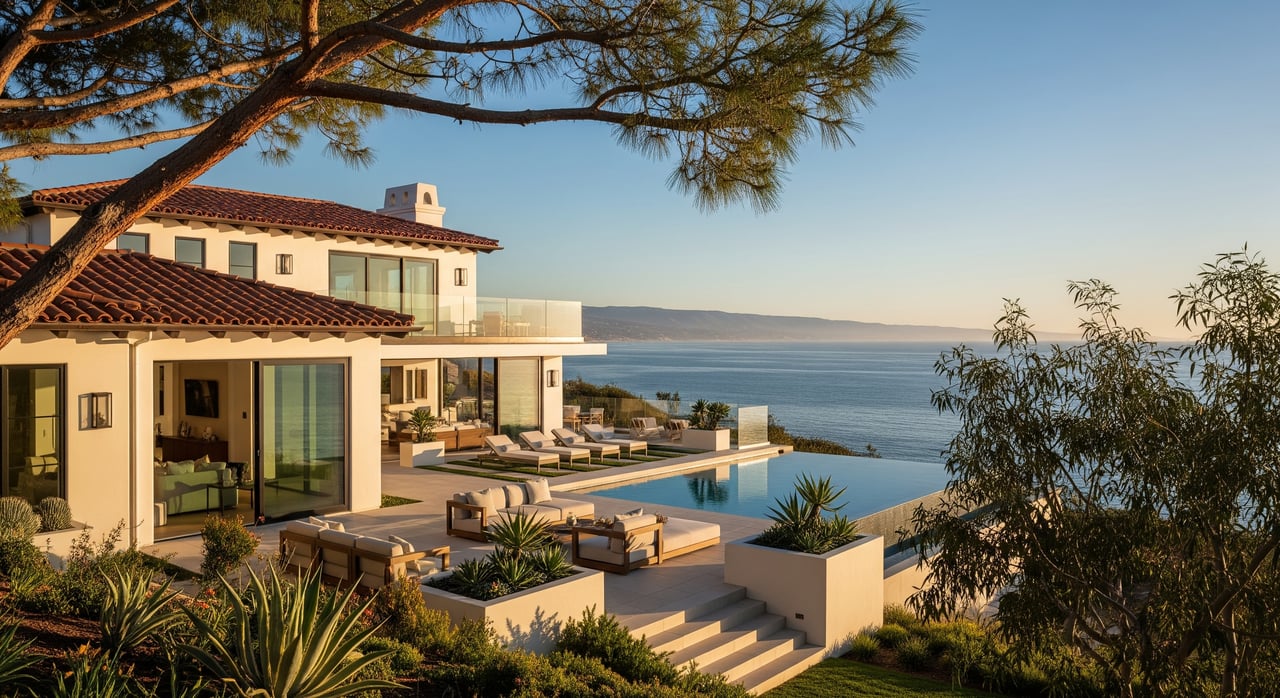
Design that frames the ocean makes the view work harder for you. Homes that orient primary rooms, large glazing, and terraces toward the water usually command stronger premiums. High-quality finishes and functional outdoor areas such as terraces, pools, or roof decks amplify value because they allow you to enjoy the view more often.
Privacy and landscaping
For luxury buyers, visual privacy can matter as much as the view. Thoughtful setbacks and mature landscaping that do not block sightlines add to perceived quality. Poorly placed hedges or trees can reduce premiums, while smart screening preserves both privacy and the panorama.
Proximity to amenities
Walkable or short-drive access to village shopping, coastal trails, services, and well regarded public schools can boost demand. When a property combines a strong view with convenient access to daily needs, the market response tends to be stronger.
Street and neighborhood context
Quiet, well-maintained streets surrounded by consistent high-end homes help preserve long-term value. Public overlooks and parkland views can be more stable because they are less likely to be blocked by future private development.
Bluff proximity and stability
Homes near the bluffs usually enjoy better vistas, but geology matters. Bluff type and slope stability influence buyer confidence and can affect lending and insurance. On the Peninsula, historic slope-movement areas, including the Portuguese Bend region, are a material consideration. Lenders may ask for current geotechnical reports, and ongoing drainage or retaining-wall maintenance can impact marketability and costs.
Regulations that shape value
Coastal rules and local codes can limit what you can build or remodel. Coastal development permits, bluff setbacks, and height limits may restrict new terraces, retaining walls, or seaward expansions. You should also know that California does not grant an automatic right to a view. If a parcel’s view is important, check for recorded easements or covenants. When permitability is uncertain, some buyers will discount price to reflect risk.
How appraisers price ocean views
Sales comparison first
Appraisers rely on comparable sales to isolate the contributory value of a view. They look for paired sales with similar homes where the main difference is view quality, then adjust up or down in dollars or percentages.
Typical size of adjustments
View premiums vary widely. In coastal luxury markets, guidance and case studies show adjustments ranging from low single digits for minor or partial views to roughly 10 to 40 percent or more for exceptional panoramic ocean and horizon views in high-demand locations. In PVE, exceptional blufftop outlooks often drive meaningful, sometimes double-digit, premiums. Always verify with current local comps.
Matching the right comps
The best comps share elevation, orientation, room placement, privacy level, and architectural quality. Appraisers also adjust for time if the market is moving. A home that fails to capitalize on its outlook, such as blocked sightlines or poor room orientation, will not receive the same premium even if it has theoretical access to the view.
Market signals beyond the report
When buyers value both strong views and easy access to village amenities or schools, the combination can create a multiplier effect. Competitive offer situations, including off-market deals, can push prices above appraisal estimates in prized micro-locations.
Smart steps for buyers
- Verify the exact view from primary rooms and at different times of day, including sunset.
- Confirm lot orientation, elevation, and any recorded view easements.
- Review neighboring lots’ development potential and height limits to assess future obstruction risk.
- If near bluffs or slopes, order or review recent geotechnical reports and discuss lender requirements.
- Ask about insurance availability, exclusions for landslide or erosion, and likely premiums.
- Pull hyper-local comps that match orientation, elevation, and view type, not just neighborhood averages.
Smart prep for sellers
- Highlight where the view is strongest and stage those spaces first.
- Prune or remove vegetation that blocks key sightlines from primary rooms, following local rules.
- Showcase outdoor living areas that frame the ocean and add simple enhancements where allowed.
- Organize documentation: surveys, any view easements, geotechnical reports, and permit history.
- Price with precision using comps that reflect similar view quality and privacy, not only square footage.
The Palos Verdes Estates advantage
PVE blends low-density neighborhoods with coastal landscapes and custom homes overlooking the Pacific. Buyers value access to beaches and trails, village shopping areas, and regional job centers and airports. The Palos Verdes Peninsula Unified School District is well regarded, which supports family demand. When these lifestyle factors align with a panoramic view, properties tend to see stronger market performance.
Work with a local advisor
Pricing an ocean-view home in PVE is not a one-size-fits-all exercise. View quality, micro-topography, privacy, geology, and permitability all influence value. If you want a clear plan for purchase or sale, connect with a senior agent who pairs local data with strategic presentation and negotiation. For private guidance on your next move in Palos Verdes Estates, schedule a conversation with Keith Kelley.
FAQs
What adds the biggest premium to a PVE ocean view?
- A wide, uninterrupted horizon from primary living spaces, paired with privacy and well-oriented outdoor areas, typically delivers the strongest premium.
How do appraisers measure the value of a view?
- They use comparable sales, making percentage or dollar adjustments based on view quality, room placement, scarcity, and current market demand.
Are there legal protections for my view in California?
- There is no automatic right to a view. Protection usually comes from recorded view easements, covenants, or agreements attached to the property.
Do bluffs increase both value and risk?
- Yes. Bluff proximity often improves view quality but can raise geotechnical and insurance considerations, which lenders may scrutinize.
What should I check before buying near a slope or bluff?
- Obtain recent geotechnical reports, confirm any needed permits, review insurance options, and assess neighboring parcels for potential view changes.
Can landscaping choices affect my home’s view value?
- Yes. Thoughtful screening that preserves sightlines adds value, while tall or poorly placed vegetation that blocks primary views can reduce premiums.